PR Strategies and Tactics for B2B That Build Credibility
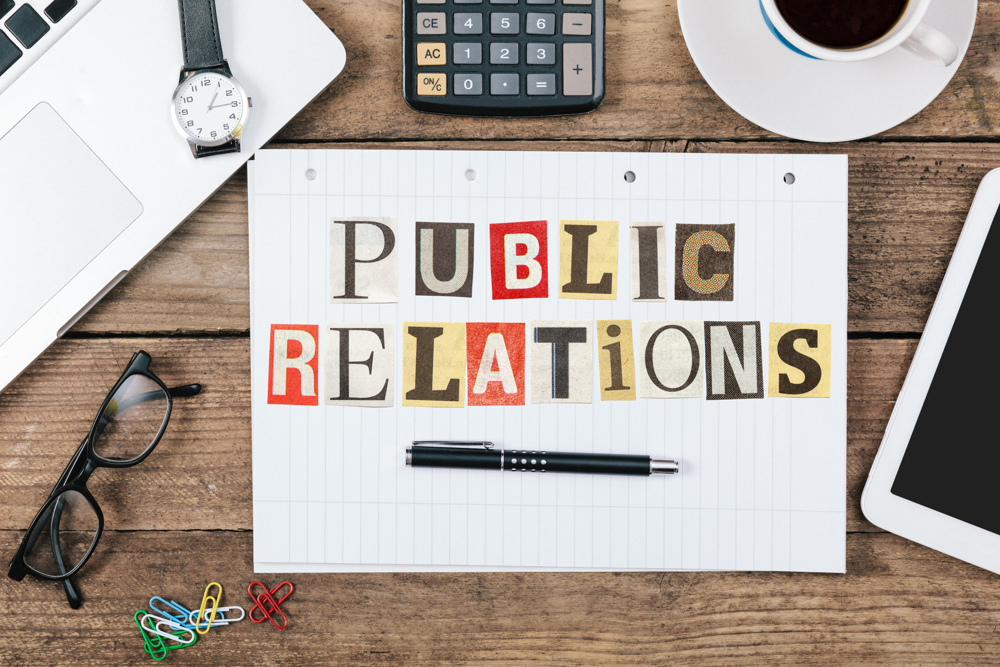
“Public relations” is a field we don’t often think about unless something has gone wrong. We tend to associate PR with cleaning up a scandal, a botched product launch, or a bad business decision. The role of PR, however, is much more than cleaning up messes. Advertising, inbound marketing, and content marketing all have their place in a well-rounded marketing strategy. Public relations offers an additional channel for reaching places that advertising and other kinds of marketing can’t.
What Is Public Relations?
At its core, public relations is a marketing-adjacent activity focused on building positive relationships with the media and the public to generate favorable press coverage. PR differs from publicity and advertising in that PR is controlled internally and is not paid for. When you get publicity, whether it’s a blog post, a news article, or a social media post that goes viral, you are not in control of the message. Advertising, like PR, is a type of marketing that you control, but advertisements are purchased platforms.
While PR campaigns are useful to both retail and B2B businesses, they might be even more effective in B2B, where buyers are more deliberative and decisions are weighted more toward factual, verifiable information. A successful PR campaign might have more of an effect on B2B buyers than an ad campaign because PR will appeal more to reason and credibility than to emotional attachment.
Developing a PR Strategy for Your Business
First thing’s first: understand why you need a PR strategy to begin with. How will public relations help you meet your business goals? How does it fit in with your strategy? Nail down your strategic goals first, and then think about how a PR strategy can help you meet them.
Whether you are in the early stages of establishing your business or an established business launching a new product, a PR strategy can help build brand awareness and credibility by putting you in front of leads who might not otherwise find you. But it’s not enough to just get your name in the press. You’ve got to reach the right people with your PR strategy.
The best way to accomplish that is to create a buyer persona. When crafting any message, we can’t forget that we are crafting it for someone. In this case, you’re crafting a message for your ideal customer.
To identify your ideal customer, first identify what you do better than anyone else—your unique value proposition. Then identify where your strength fits into the current market. From there, you’ll get a better picture of whose needs you can meet, whose problems you can solve, and how you can reach them. There’s more to creating a buyer persona than this broad-strokes outline, of course (you can find a more in-depth guide here); the point is that you’ve got to know which customers you are trying to reach and why before you undertake any kind of marketing or PR strategy.
With your buyer persona in mind, you can craft a PR strategy around getting your message out to places where your ideal customer will find it. Some relevant media outlets to target might include trade publications, industry blogs, influencer accounts, and local and regional news outlets.
Public Relations Tactics
Strategy involves a high-level plan for meeting your business goals. Tactics are the specific actions you take to meet those goals. If your strategy is to build awareness for a product launch, for example, your tactics might involve publishing a press release in an industry newsletter read by the people who make the decisions about buying your products. But if your goal is to increase brand awareness, you might seek out broader media coverage.
To get this kind of media coverage, develop a media kit that includes brand guides, social media and website information, partnership details, and white papers or case studies that can guide journalists, bloggers, influencers, local news media, and others who might report on your business. A PR campaign can even go further than press releases and media kits to pitch stories to journalists.
As with any marketing campaign, USP (your Unique Selling Proposition) and ideal customer will inform the content of the message. For example, if your USP is related to innovation and you’re seeking customers looking for innovative products, the novelty of your new product will be the focus of your PR campaign. But if your USP is more about superior customer service and your ability to build relationships, the tone of your PR campaign is going to be warmer, friendlier, and more about connecting with an audience, whether that’s through the wording of a press release, the images you include in a press kit, or the kinds of stories you pitch to journalists.
Be Active, Not Reactive, With Public Relations
PR isn’t just for when something goes wrong. It’s another useful tool in your marketing toolkit for getting the word out about your business or products, telling your story in your own words, and managing your reputation. If you don’t take part in telling your story, either someone else will do it for you, without your participation, in a way that doesn’t align with your strategy, or you’ll simply find yourself with no voice at all. When it’s time to tell your brand story, don’t just think in terms of marketing. Think about a public relations strategy.
Andrea Hill's
Latest Book
Straight Talk
The No-Nonsense Guide to Strategic AI Adoption

Where other books focus on prompts and tools, this book gives business leaders what they actually need: the frameworks and confidence to lead AI adoption responsibly, without having to become technologists themselves.