Creating Adaptable, Optimized Marketing Campaigns
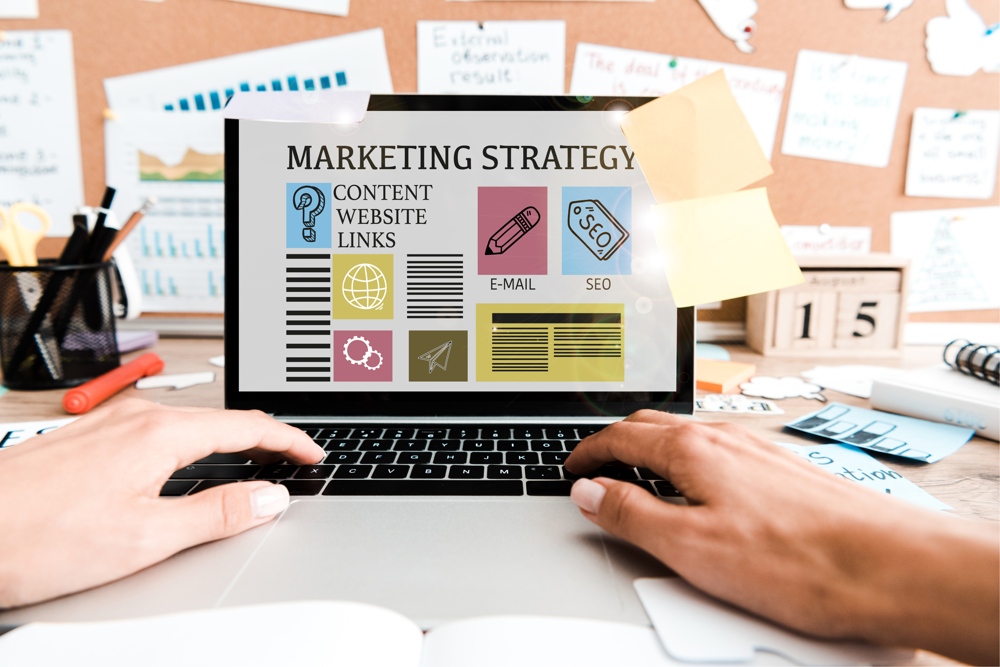
Ineffective marketing is often ad hoc, thrown together at the last minute because “we need something on Facebook” or “I guess we should send out an email.” When marketing decisions are made like this, it’s easy to lose sight of the overarching strategic goals of marketing. Effective marketing is campaign-based and informed by strategy. Your business has goals, and the purpose of marketing is to help meet those goals.
That doesn’t mean your marketing campaigns are always going to be set in stone. You sometimes do need to change plans at the last second, address something new that has arisen, or shift gears when a campaign isn’t working. To keep your marketing on-brand and relevant, you have to prepare for these eventualities. Adaptable marketing means making plans rooted in strategic goals and regularly checking your progress toward those goals. Optimized marketing campaigns address customer needs and are rooted in data. When you make plans but also make plans to change plans, you get the best of both worlds: campaign-based marketing rooted in strategy and the ability to shift gears when necessary.
Create Timely Content
Even when you plan out a marketing campaign months before you create any content, you’ll still want a mix of evergreen and timely content rooted in the day-to-day experience and needs of your customers. Evergreen content is content that addresses core aspects of your business or industry. These are topics that will always be relevant to customers. Timely content, on the other hand, addresses the needs of a specific moment.
Effective content looks outward and is focused on the customers’ needs. In the study of rhetoric (the art of persuasion), we call this Kairos: the “opportune moment” to make an argument. (Here we are using “argument” to mean “a series of statements whose purpose is to explain, convince, or persuade.”) Addressing the Kairos of an argument allows the speaker to ask, why is now the time to make this argument? What is available to me right now to make the most persuasive case possible? Thinking in this way can help you create timely content that is relevant to your business and your customers.
Creating timely content doesn’t mean chasing trends or memes. Jumping on the bandwagon of a short-term trend can come off as inauthentic if it’s not part of your brand identity already. Shift your focus to current events only if they affect your business in the long term. For the most part, timely content will take the form of seasonal and holiday-related content as well as year-end wrap-ups and new year previews.
Regularly Review and Re-Assess
Making a plan is only the beginning. Good plans have adaptability built in. Review campaigns and strategy every 90 days rather than annually. Allow yourself to ask “is this working?” There is a shift in mindset that has to take place here. Some people see changing plans as a sign of failure. Some become wedded to their ideas and would rather stick to something that’s not working than change their approach. Marketing teams have to see adaptability as strength. Their value isn’t in coming up with ideas and seeing them through no matter what but in responding effectively to changing circumstances.
What does a culture that cultivates adaptability look like? Teams regularly review marketing campaigns every 30 or 90 days rather than annually or semi-annually. They constantly look for ways to improve campaigns, even the ones that are working. They A/B test to determine which landing page copy or email subject line performs best. They make decisions based on customer needs gleaned from various sources of data.
Make Data-Based Decisions With CRM
Adapting to changing circumstances shouldn’t happen by gut feeling. Monitor social media engagement, website analytics, and email click-through rates to assess the effectiveness of your marketing. Send surveys to both website visitors and customers. A customer relationship management system (CRM) can collect data from all of these sources, providing a centralized location for analysis and action.
Make a Plan, But Plan to Change Plans
One of the biggest roadblocks to adaptability is getting too enamored of your own ideas. Remember that plans are never set in stone, and sometimes your best idea is the one that replaces an idea that’s not working. You need a good reason to change plans, of course, but if new evidence or data arises, make sure you have the culture and infrastructure in place to change quickly. Don’t get drawn into the sunk cost fallacy: “We’ve already put so many days of work into this campaign. We can’t abandon it now.” It will cost more to stick with a failing campaign than to shift gears. It’s all part of a culture of continuous improvement.
Andrea Hill's
Latest Book
Straight Talk
The No-Nonsense Guide to Strategic AI Adoption

Where other books focus on prompts and tools, this book gives business leaders what they actually need: the frameworks and confidence to lead AI adoption responsibly, without having to become technologists themselves.